We Are Here: Latinas Shaping Animal Welfare in Canada - Humane Canada
Skip to main content
opinions

We Are Here: Latinas Shaping Animal Welfare in Canada
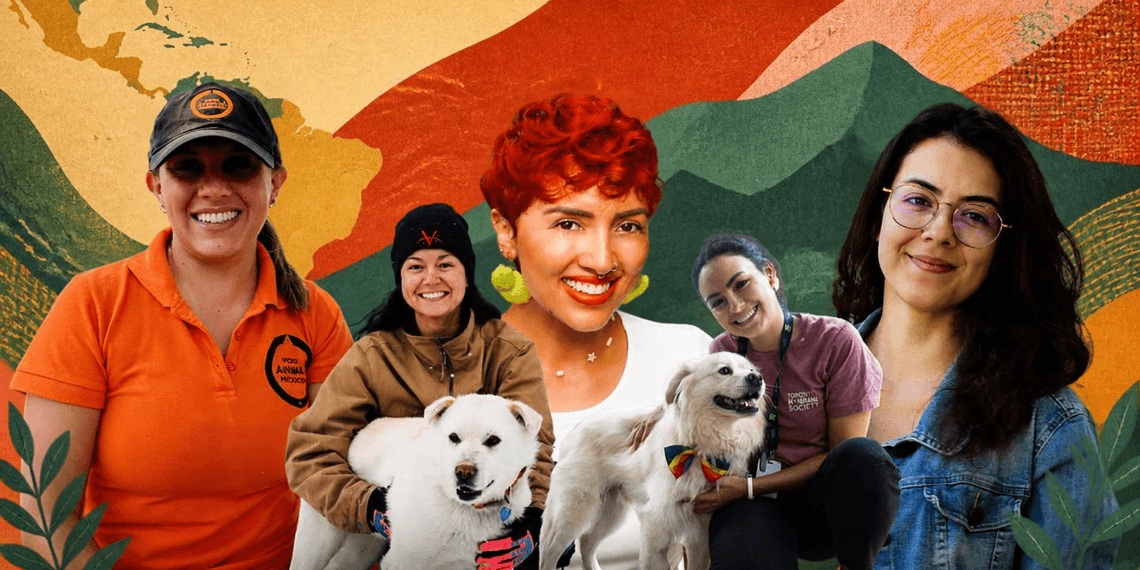
four latin women, 2 of them holding a dog each, against a colourful backdrop
Published Oct 19, 2026 at 4:00am
By Natalia Hanson

Seventeen years ago, I left Colombia for Canada with a dream: to pursue higher education in veterinary medicine and bring that knowledge home to help animals. Back then, I was a wide-eyed young woman eager to learn, network and build a professional career. I graduated from the veterinary assistant program at St. Lawrence College in Kingston, Ont., and later from public relations at Algonquin College in Ottawa, Ont., and I've spent the years since trying to make good on that original promise to myself. At the start of my professional career in Canada, I felt like I stood out because I didn't see many others like me working in veterinary medicine and, later, in animal welfare. That feeling has stayed with me, which is part of why October matters. In 2018, the Canadian government designated October as Latin American Heritage Month to recognize Latinos' contributions across our country.

When I look at the sector where I've built my career over the past ten years - animal welfare - I notice that we, Latinos, are still few and far between.

Latino people tend to be more visible in other countries, such as the U.S., whereas in Canada, our presence often goes unnoticed, especially in niche sectors like animal welfare and advocacy.

So, this month, I want to highlight four fellow Latinas advancing animal welfare in our country.


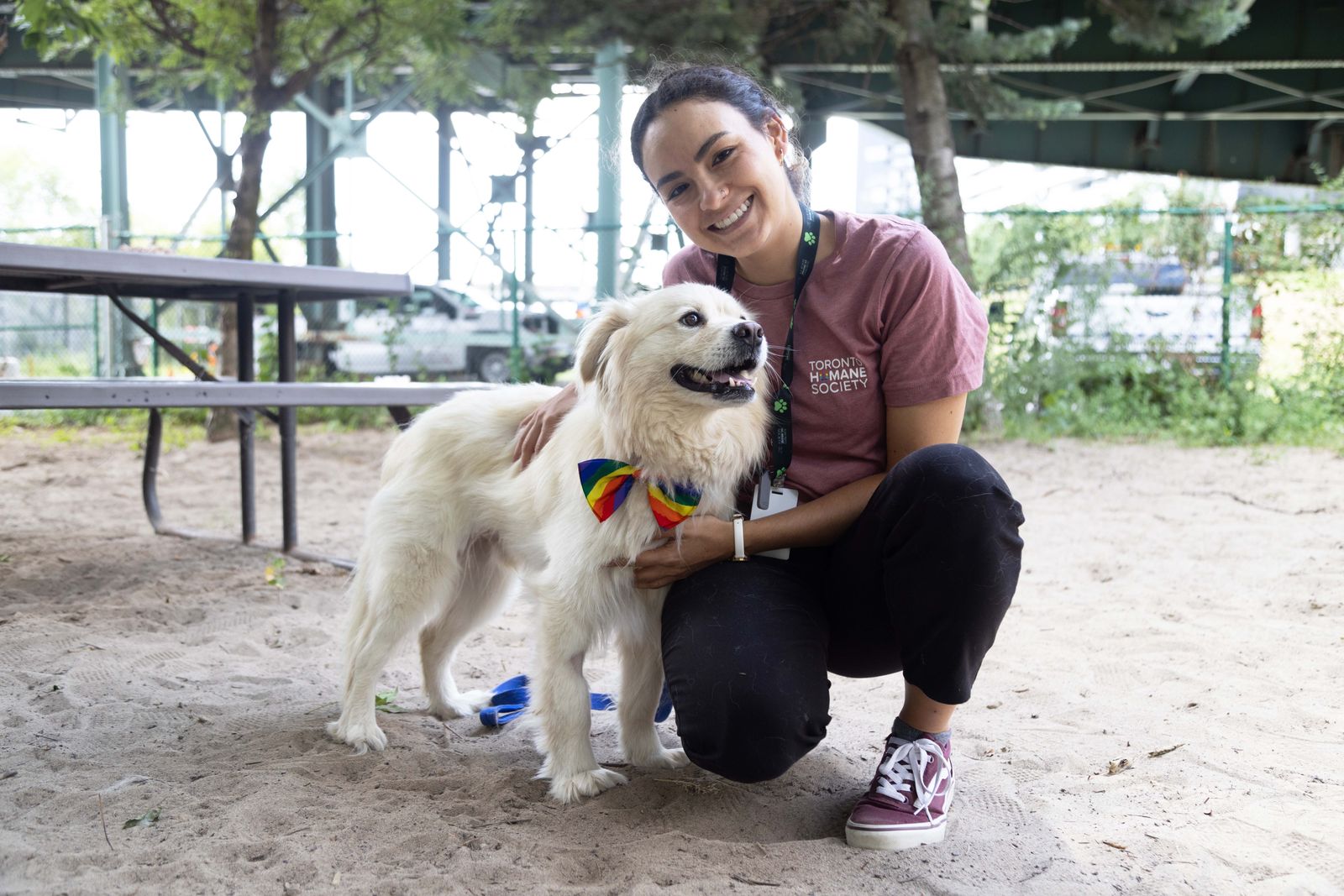
Young woman with brunette hair holding a white fluffy dog

María José (Jota) Botía moved to Toronto from her native Colombia in 2023 and now works in the marketing department at Toronto Humane Society (THS), a member society of Humane Canada. This past summer, Jota was part of the team behind Toronto Humane Society’s annual Pledge for Paws fundraiser, which partnered with the Toronto Blue Jays and raised over $80,000, surpassing its fundraising goal. The campaign shared the stories of animals transferred from overcrowded shelters, including animals from Northern Ontario communities affected by devastating wildfires. The funds raised will help provide these animals, and many more in the future, with the care they need to begin new chapters in their lives.

For Jota, representing her culture at work isn't a burden; it's a conscious choice. She sees it as an opportunity to help build a good reputation for Colombians: “For me, it’s no pressure; it’s a choice,” she told me. “When people can say they’ve worked with a Colombian and had a positive experience, it helps shape how people see us."
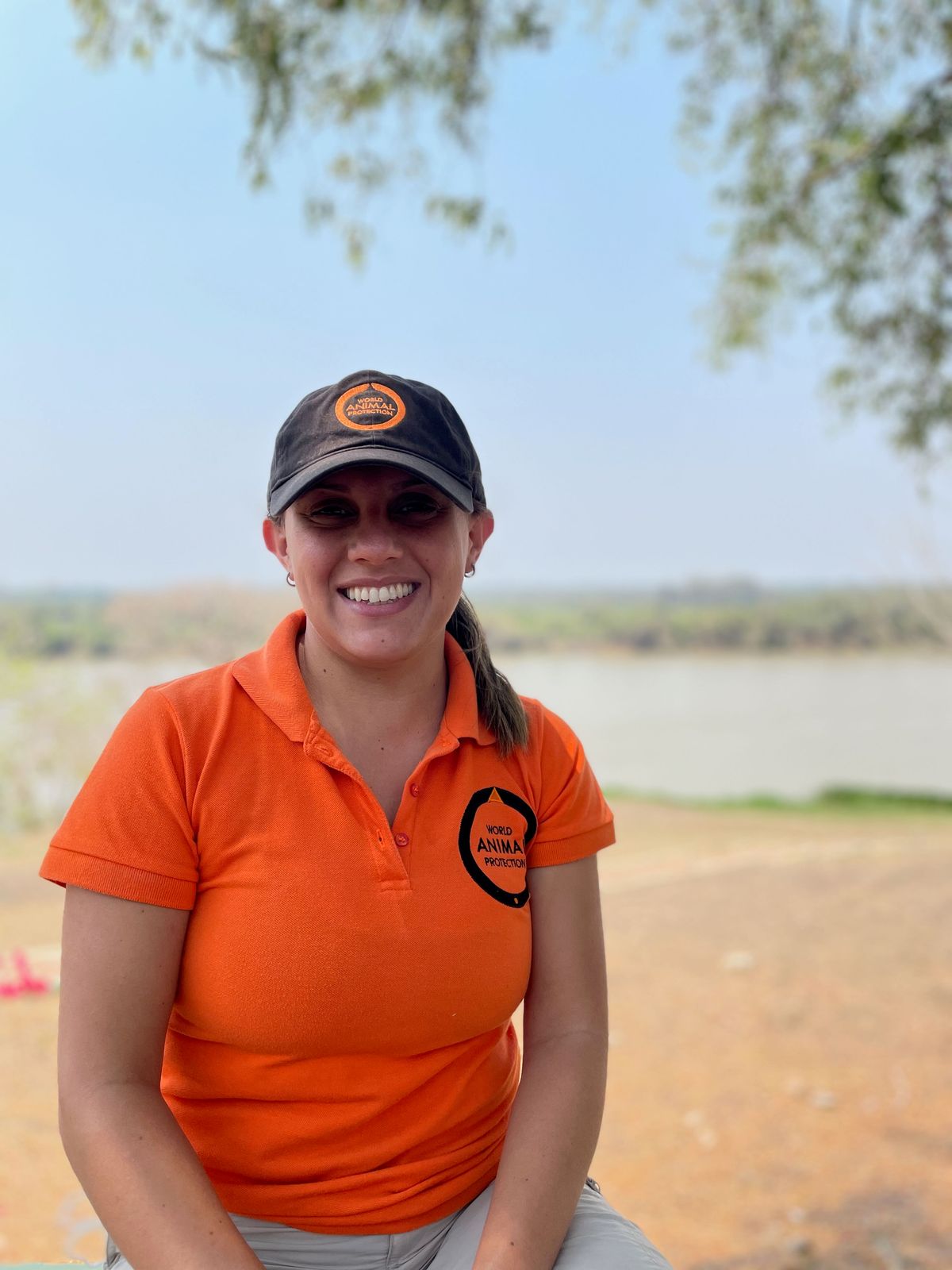

Ester Mora, a Costa Rican with 16 years of sector experience, currently works as a corporate campaigns manager at World Animal Protection Canada. In her work, she encourages Canadian food companies to adopt more animal-friendly practices, helping drive advocacy efforts that contributed to McDonald’s Canada making its plant-based McVeggie sandwich a permanent, nationwide menu item. Ester's advocacy work through World Animal Protection helped drive this milestone. Ester sees her heritage as an asset in this kind of work. "My country is the proof that you can do it the right way," she said, describing the sustainable wildlife tourism she also promotes to Canadian corporations, "and people will pay to do it [sustainable and humane tourism] this way."
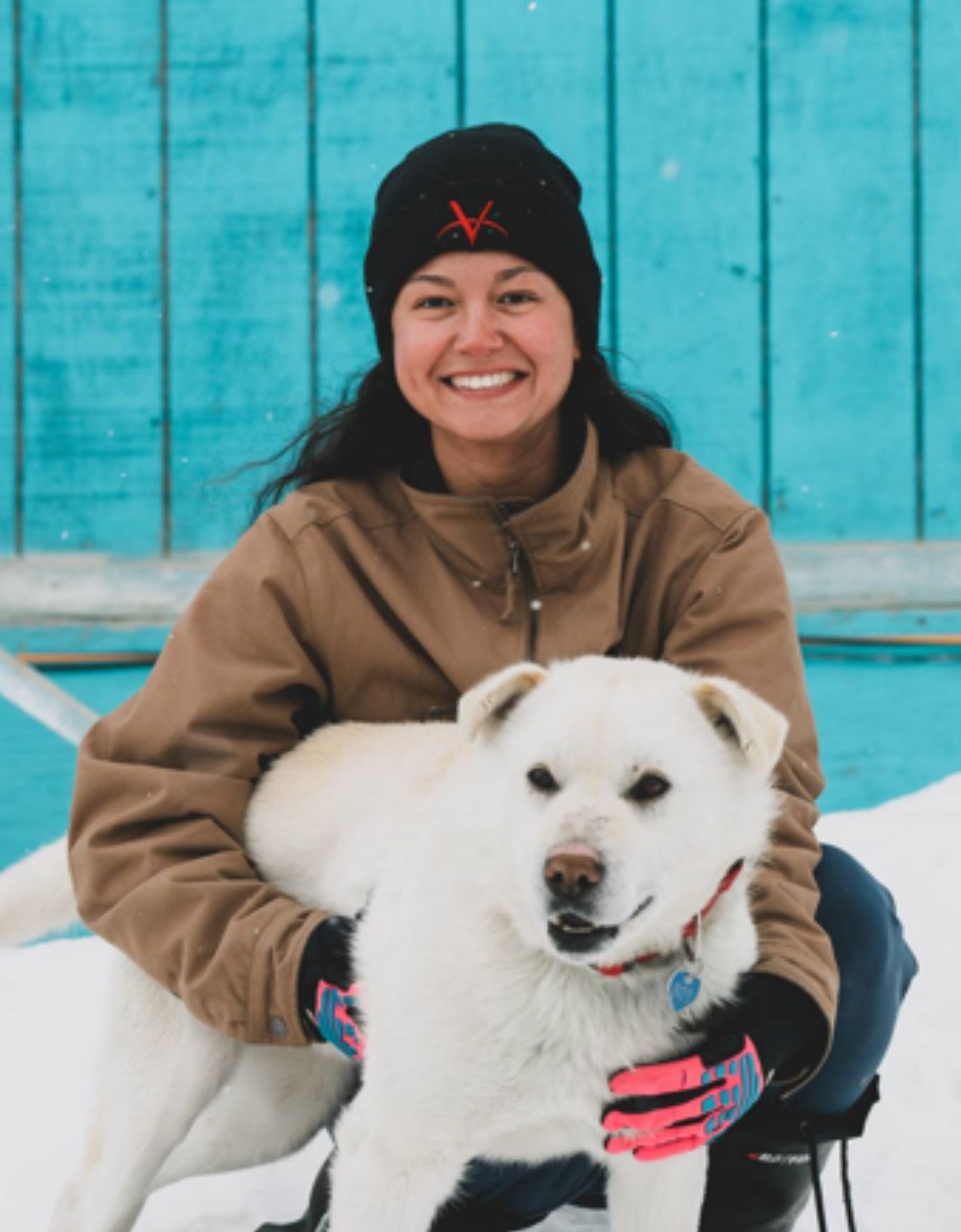

Dr. Michelle Tuma was born and raised in Yellowknife, Northwest Territories (NWT), to a Peruvian mother and a Czech father, and became the first veterinarian ever on staff at the NWT SPCA. Her outreach work in remote and Indigenous communities helped lay the groundwork for Veterinarians Without Borders' Northern Animal Health Initiative, launched in 2019 to expand access to veterinary care across the North. That foundation mattered most during the 2023 NWT wildfire season, when authorities evacuated entire communities, including her hometown, with little warning and left pets behind or displaced. As the last veterinarian remaining in the territory, Michell, alongside the NWT SPCA, helped coordinate pet evacuations, secure foster homes and boarding space, build temporary outdoor shelters, and reunite animals with owners who fled south. Thanks to these efforts, over 100 animals received housing, food, and medical care during the crisis. Michelle has also driven the growth of Community Animal Health worker programs and telemedicine, extending care to communities a vet may never physically reach. Despite all this, she doesn't lead with her heritage. "My heritage is absolutely part of who I am," she told me, "but I wouldn't say I have consciously led with it in my career."
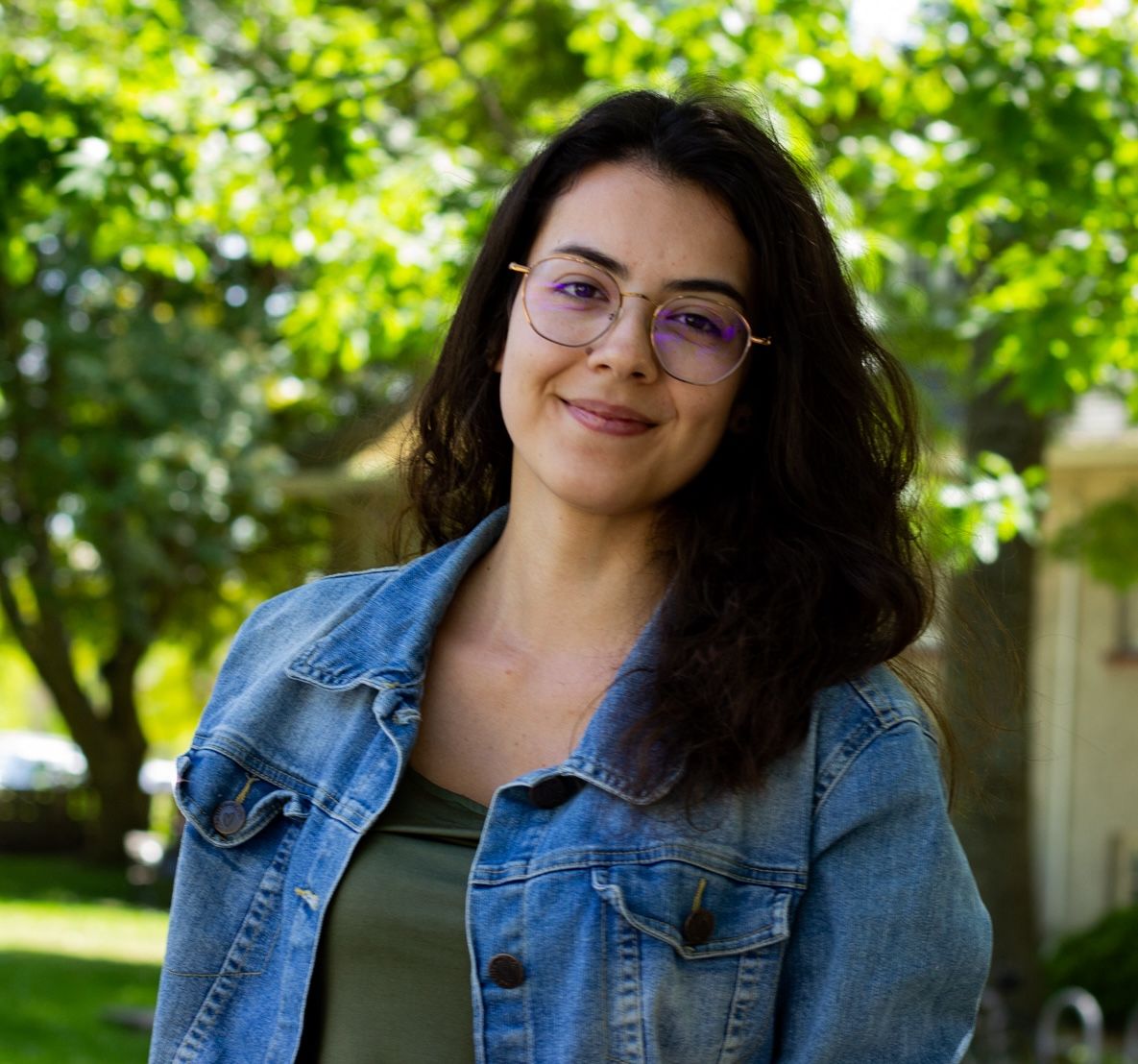

Young woman wearing glasses, a demin jacket and green shirt smiling with mouth closes. Nature background.

Dr. Bianca Vandresen grew up in southern Brazil and recently finished her PhD in UBC's Animal Welfare Program. While serving in international leadership roles, including with the International Society for Applied Ethology, she co-authored a published study examining the specific barriers researchers working on animal welfare and behaviour, including those from the Global South, face in their chosen science; barriers as concrete as conference registration fees that can amount to six times what a Canadian researcher pays, sometimes equal to a month's salary back home. The research exists because she was in Canada, where she had the conversation that sparked it. For Bianca, that identity wasn't always something she thought about. "In Brazil, we don't think much about it," she said. "As soon as you're out of your country, that comes out more naturally, and you're like, oh, I miss being able to feel proud of myself and my culture."

Putting these stories together prompted me to pause and look at my own path too. When I sent Ester my interview questions, she wrote back saying that reading them made her feel nostalgic, thinking back over sixteen years of work she rarely stops to measure. I understood exactly what she meant.

When we’re so focused on the work itself, we rarely pause to look back at what we’ve actually built.

I felt that same pull while writing this piece, even during the interviews. When I spoke with Jota and she talked about opening doors for the Latinos who come after her, I got emotional, a feeling I recognize but rarely say out loud.


Woman wearing a surgical cap and carrying a dog

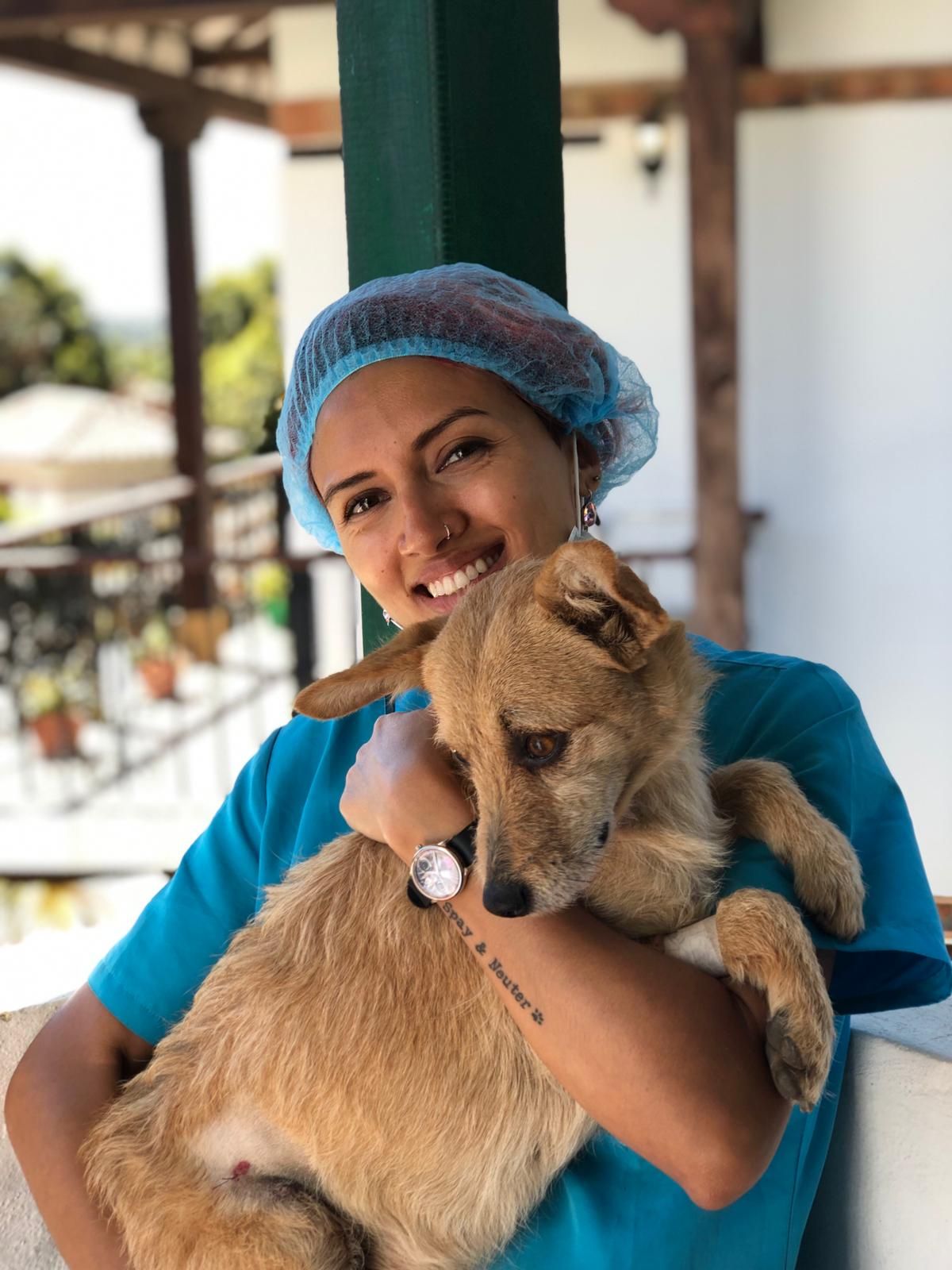
So, in that same spirit, here is my own journey. I played a small part in the work that helped pass Bill S-203, which banned the captivity of whales and dolphins in Canada: one email, one social media post, and a small push toward a bigger, multi-stakeholder goal. I am also proud to help organize Canada's only national animal welfare conference, now heading into its 14th year, bringing together 500 people from shelters and allied organizations across the country. The knowledge and connections I built in Canada led me to start Colombianimals, a nonprofit that runs spay-and-neuter campaigns in underserved parts of Colombia. To date, we've sponsored over 2,200 surgeries, ensuring tens of thousands of puppies and kittens never have to be born into a life of suffering and neglect.



Four different roles, four different achievements, yet as I listened to all of them, I noticed the same pattern: Each one pointed to relationships, community, and a persistence that outlasted setbacks. We all noticed the jolt of recognition when we meet another Latino working in animal welfare in Canada. Michelle described it happening even in the North, a region she says is more multicultural than people assume. "It immediately becomes this piece of familiarity." Ester echoed something almost identical, describing how a simple "where are you from?" becomes an instant bridge with strangers. In a sector this small, it happens rarely enough to still catch us by surprise every time.

That rarity has a cost, and each of us has felt it differently. Bianca described staying quiet in research meetings early in her PhD, unsure whether her hesitation came from language, culture, or simple imposter syndrome. Jota spoke about applying to hundreds of jobs after immigrating, with only a handful of interviews to show for it, in a country where, as she put it, "your experience back home doesn't really count." Michelle, for her part, has faced a different kind of pressure altogether, being the only vet left standing in an entire territory during a wildfire emergency.

And yet none of us describe this as a story of hardship alone. Bianca called the uncertainty of immigrant life "one full of possibilities." Michelle speaks about her veterinary career with the same humility she brings to everything else. There is a resilience running underneath all five of these stories, one that has as much to do with where we come from as where we've chosen to build our careers, and it shows up in real outcomes: puppies rescued from wildfires, a menu item changed nationwide, over a hundred animals sheltered during a territorial emergency, a body of published research that didn't exist before she got here, a law protecting whales and dolphins, thousands of animals spared a life of suffering.

If we share one message, it's this. "Embrace your heritage," Ester said. "Never be ashamed of it." Jota put it simply: "Go for it." Because, as she said, "We're opening doors for more Latinos who come after us."

That's exactly why increasing visibility of Latino contributions matters. Not because our stories are the same, but because they aren't, and so few people ever get to hear them. If you are Latino, or from any community that rarely sees itself represented in animal welfare, and you love animals, there is room for you here. We are already doing this work in shelters, academia, boardrooms, and the Canadian North. This Latin American Heritage Month, we celebrate that. And we're just getting started.