Welfare Awareness - Humane Canada
Skip to main content

Every animal deserves respect and compassion.

By increasing awareness of animal welfare issues and sharing evidence-based information, we can help create a country where the well-being of animals is valued in the choices we make and the systems that shape their lives.

Through research, education, advocacy and collaboration, Humane Canada works with organizations across the country to turn that knowledge into meaningful change for animals.

What does a humane country look like?

Humane Canada has identified seven key indicators that help us understand and measure how Canada is making progress for animals.

Companion Animals

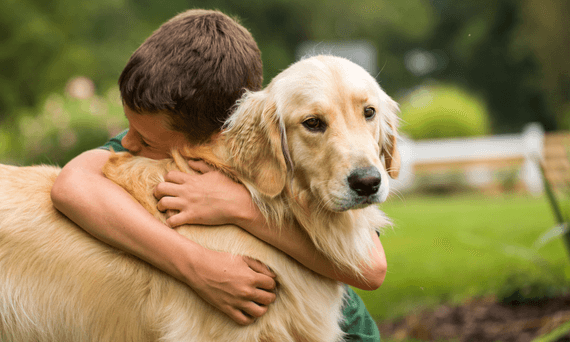
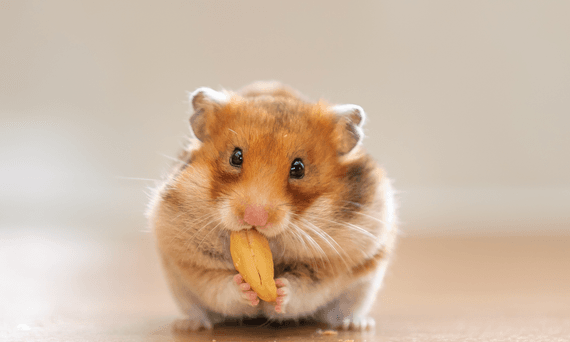
Dogs, cats and other companion animals are an important part of millions of families and communities across Canada. They depend on us to provide food, shelter, veterinary care, safety, and opportunities to express their natural behaviours.

Humane Canada works to ensure companion animals are protected from harm and given the opportunity to have healthy and safe lives.

Companion Animal Welfare Issues In Canada

Puppy Mills & Irresponsible Sourcing
Irresponsible breeding and selling practices can put profit ahead of animal welfare, leading to poor living conditions, inadequate care, lifelong health problems, or behavioural issues. Where companion animals come from can have lifelong impacts on their welfare. Learn more →

Breeding for Harmful Traits
Breeding animals for certain physical characteristics can result in inherited health conditions that cause pain and other serious concerns.

Companion Animal Overpopulation
When there are more companion animals than there are homes and resources to support them, animals and the organizations caring for them are put at risk. Responsible guardianship, including spaying and neutering and thoughtful sourcing, can all help address the root causes.

Pet-Inclusive Housing
A lack of pet-inclusive housing can force people to choose between keeping their companion animals and finding a place to live, contributing to animal surrenders and family separation. Learn more →

Community Cats
Feral and abandoned cats can face hunger, disease, injury and harsh weather. Humane population management can help improve their welfare and reduce unowned cat populations over time.

Animals in Emergencies
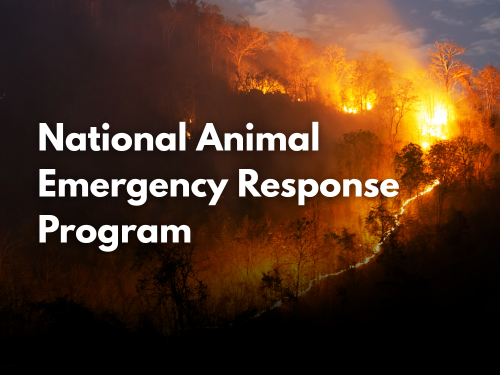
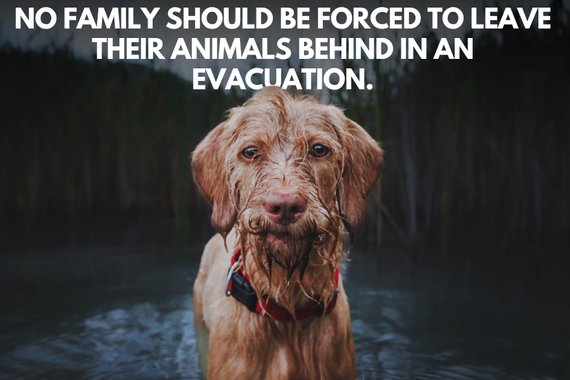
Canadian emergency response planning does not account for companion animals, which leaves them at serious risk during wildfires, floods and other disasters. Learn more →

Harmful & Unnecessary Procedures
Procedures such as ear cropping, declawing and devocalization can cause unnecessary pain and affect an animal's health or behaviour. Procedures performed for cosmetic or convenience reasons should never come at the expense of an animal's welfare.

Animals as Prizes & Gifts
Bringing an animal into a family should be a thoughtful, informed decision as it is a long-term commitment. Animals should never be given as prizes or unexpected gifts that leave someone responsible for an animal they are unprepared to care for.

The Violence Link
Animal abuse and violence against people are often connected. Companion animals can be threatened or harmed as a way to control or intimidate victims, creating barriers for people trying to leave unsafe situations.
Learn more →

Access to Veterinary Care
Cost, location and other barriers can make veterinary care difficult to access for some families, potentially leaving companion animals without the care they need to stay healthy and free from suffering.

Humane Euthanasia
When euthanasia is necessary because of significant suffering or serious health, behavioural or safety concerns, minimizing fear, pain and distress must remain the priority. It should always be carried out humanely by trained professionals.

From Awareness to Action

Learn how Humane Canada is advocating for stronger protections and lasting change for companion animals across Canada.

Explore our advocacy work →

Farmed Animals

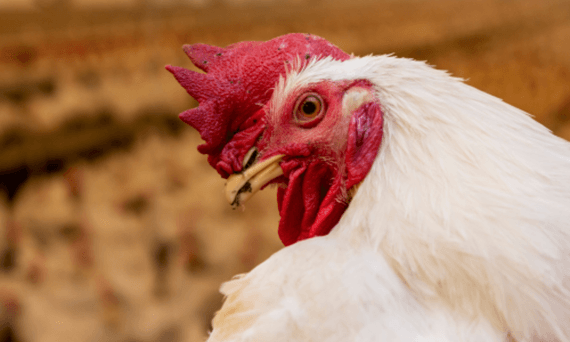
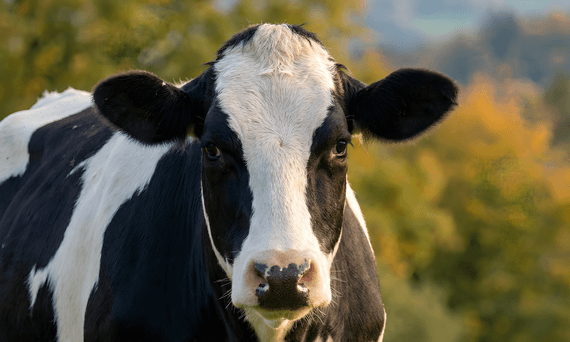
Humane Canada, as the Canadian Federation of Humane Societies, was formed in 1957 out of concern for the welfare of animals being slaughtered for food in Canada. At that time, there were no regulations addressing the humane slaughter of animals. Humane Canada took on the issue and was influential in the introduction of the federal Humane Slaughter of Food Animals Act in 1959.

We continue to play a crucial role in farmed animal welfare in Canada. As a founding member of the National Farm Animal Care Council (NFACC), Humane Canada advocates for continual improvements to the standards for farmed animal care that are included in Canada’s codes of practice. Humane Canada also campaigns for improvements to various policies and regulations to improve the treatment of farmed animals at the provincial and federal levels. We encourage the public to support campaigns and petitions that demonstrate society's support for improvements.

Humane Canada also campaigns for improvements to various policies and regulations to improve the treatment of farmed animals at the provincial and federal levels.

Wild Animals

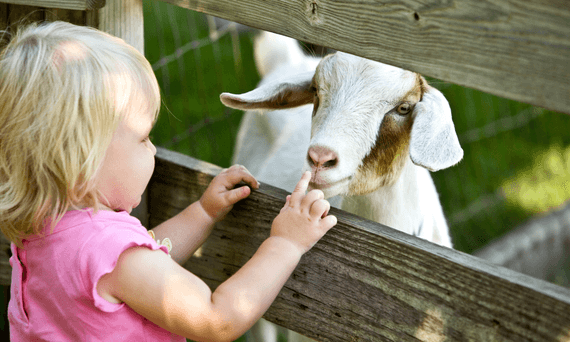
Wild animals have complex needs and behaviours adapted to life in their natural environments. Human activities can have significant impacts on their welfare, from captivity and wildlife trade to hunting, trapping and habitat disruption.

Humane Canada works to raise awareness of these impacts and promote the humane treatment and protection of wild animals.

Wild Animal Welfare Issues in Canada

Wild Animals in Captivity and Entertainment
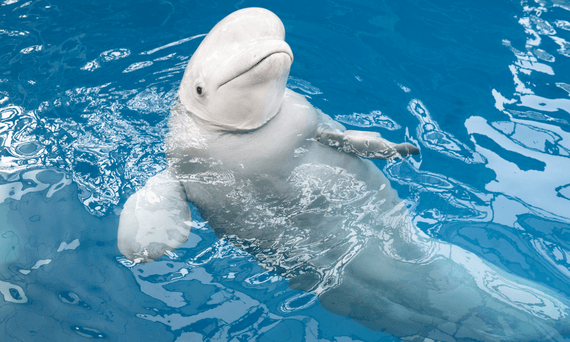
Captivity can prevent wild animals from expressing natural behaviours and meeting their complex physical, social and psychological needs. The use of wild animals for entertainment can create serious and lasting welfare concerns.

Wildlife Trade and Exotic Pets
Wild and exotic animals have complex physical, behavioural and environmental needs that are often difficult or impossible to meet in a home. Keeping them as pets can compromise their welfare and can also create risks for people, other animals and native wildlife.

Farming Wild Species
Wild species are not domesticated or adapted to being raised and handled by humans. Confinement, handling, transport and other farming practices can compromise their physical and psychological welfare.

Wildlife and Human Activity
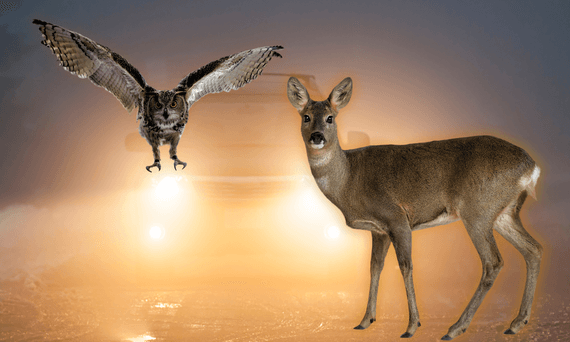
Roads, development and other human activities increasingly bring people and wildlife into contact. Greater awareness and humane approaches can help reduce preventable injuries, suffering and deaths.

Animals in Science

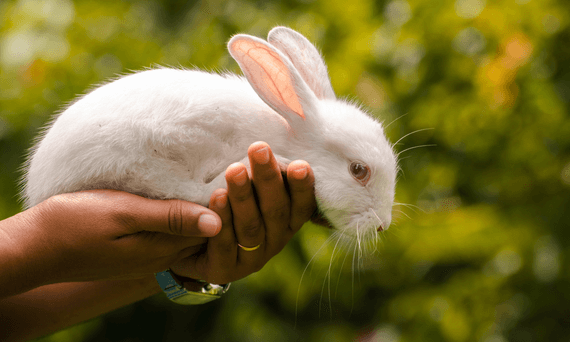
In Canada, animals continue to be used in scientific research, testing, and education. While animal-based research has contributed to scientific and medical advances, it also raises important ethical and animal welfare concerns.

Animals used in research can experience pain, stress, fear, and discomfort. Their welfare may be affected by housing conditions, transportation, handling, procedures, and breeding practices.

The internationally recognized Three Rs guide efforts to improve animal welfare in science:

Replace or avoid the use of animals, wherever possible.

Reduce the number of animals used to the minimum required to obtain sufficient data, without compromising welfare.

Refine husbandry and procedures to minimize the suffering and enhance the welfare of those animals used.

Looking Toward Alternatives

Innovative technologies are helping reduce reliance on animals in research and testing. Advances such as human tissue models, AI-driven analysis, and organ-on-chip systems offer promising alternatives that can improve both animal welfare and scientific outcomes.

Humane Canada envisions a future where scientific advancement and animal welfare go hand in hand. By promoting the Three Rs, encouraging transparency, and supporting the development of humane alternatives, we can help create a future where fewer animals are used in science and those that are used receive the strongest possible protections.

One Health, One Welfare

One Health, One Welfare is a concept that states animal health is directly connected to human well-being and our environment. It emphasizes that the health and welfare of humans, animals, and ecosystems are interdependent and bound together in a complex web of relationships. By focusing on the intersections of animal welfare within this framework, we underline the importance of ensuring the humane treatment, care, and well-being of animals as a critical component of the overall health of our society and planet.

This mentality is at the core of everything Humane Canada does. We acknowledge that improving animal welfare not only benefits animals but also has positive impacts on human populations and the environment. Ultimately, One Health One Welfare promotes a holistic view of health that encourages collaborative efforts across various sectors and disciplines to achieve optimal outcomes for all forms of life on earth.