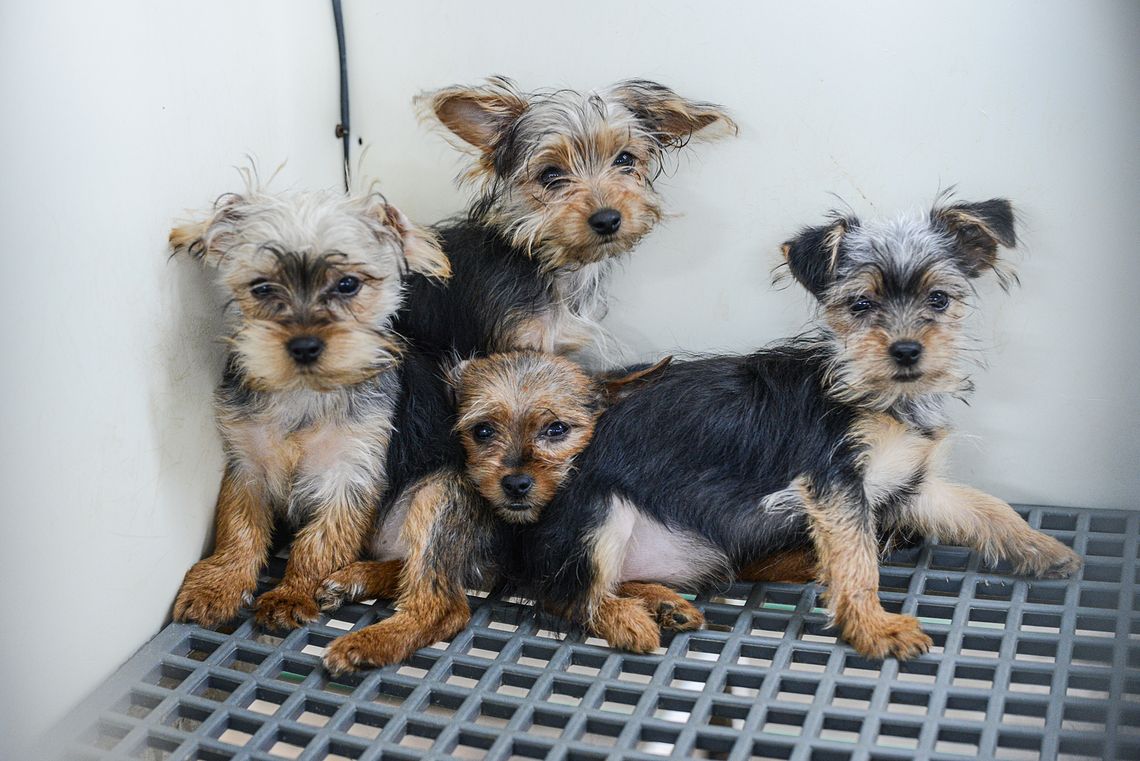
Behind the sale of a puppy could be a hidden cycle of suffering.
What is a puppy mill?
A breeding operation that prioritizes profit over dogs' health and welfare.
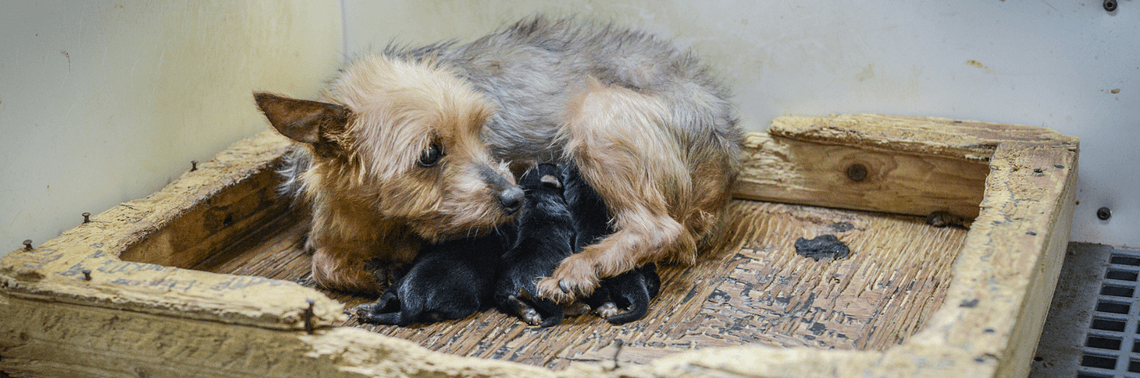
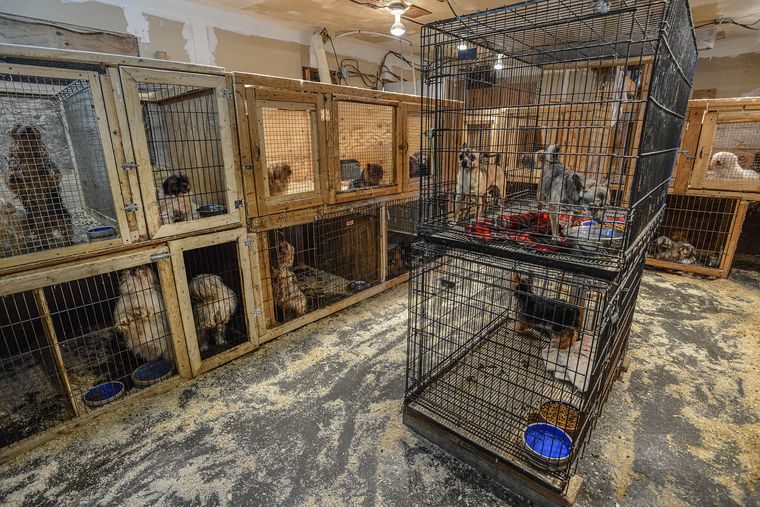
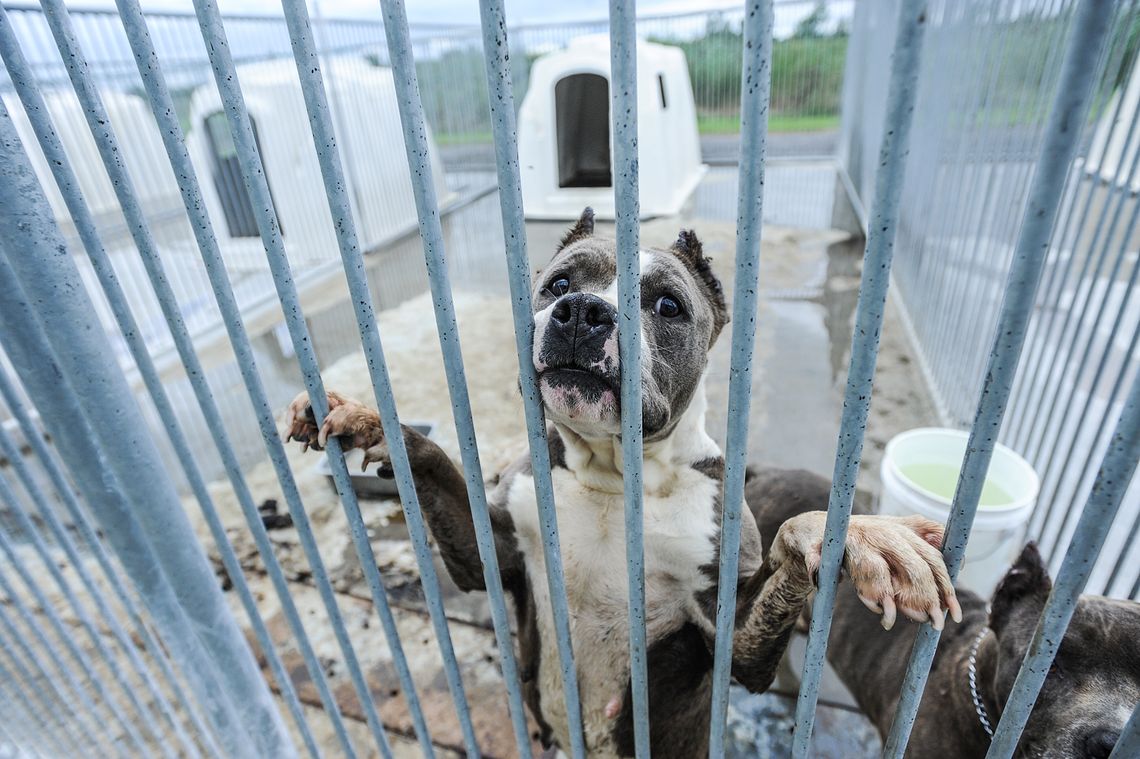
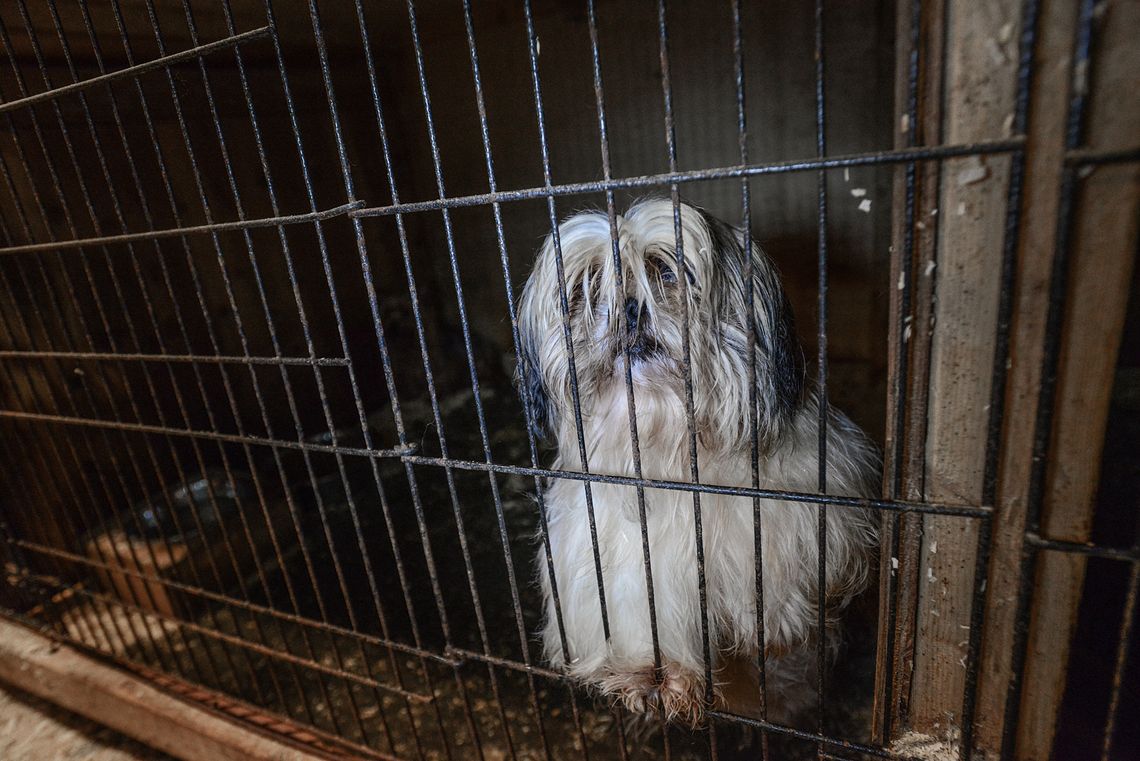
Dogs endure deplorable conditions.
- Small cages & filthy living conditions - Little human contact - Inadequate veterinary care or exercise - Repeated breeding - Illness & behavioural issues
In one of the largest puppy mills uncovered in Canada in Vaughan, Ont., in 2001, 180 dogs were found crowded inside a dim barn. A rescuer described that there were no visible food or water bowls, and the floor was covered in feces. “The dogs had never seen the light of day.”
Today, many dogs are still suffering in these conditions across our country.
Most provinces still do not require a specific breeder license or registration.
Know the red flags
- You aren’t allowed to see where the dogs live
- You can’t meet the puppies or their mother
- The sale is entirely online
- Little information about the puppy’s health
Help stop the demand
- Research carefully if choosing a breeder
- Visit & see how the dogs live
- Ask questions about their health & parents
- Walk away if something doesn’t feel right
- Adopt from a shelter when you can
We all have a role to play in reducing the demand that allows puppy mills to continue. If you’re thinking about bringing a puppy into your family, knowing what to look for and what questions to ask makes a difference.
Thank you to Jo-Anne McArthur, Montreal SPCA and We Animals for documenting the realities of puppy mills across Canada through these photos.
Our generous partner Petsecure is MATCHING all new monthly donations until the end of 2026! Any amount will create meaningful change for animal welfare, each and every month of the year.